
RECOGNIZING EXCELLENCE
Member Spotlight
Each month we honor a NANS member whose work, leadership, and mentorship are shaping the future of neuromodulation. Congratulations to all who have been nominated.
Featured Member
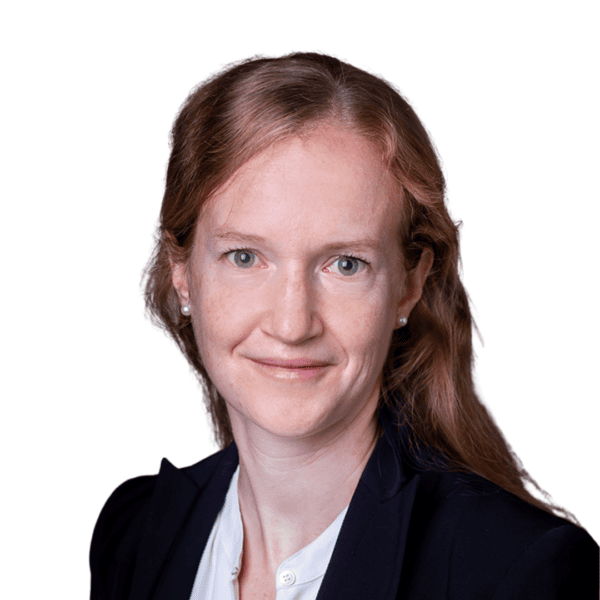
Sarah Bick, MD
- Vanderbilt University Medical Center
Nashville, Tennessee - Member Since 2022
- NANS members can find me on LinkedIn
May 2026

FEATURED MEMBER
Hemant Kalia, MD, MPH, FIPP
President & CEO
Center for Research & Innovation in Spine & Pain
- Rochester, New York
ARCHIVE
Recent Spotlights
Browse every neuromodulator we’ve featured since 2023.
Rosalynn R. Z. Conic, MD, PhD, MPH
Mayo Clinic Florida
- Jacksonville, FL
- Member Since 2022
Q/A
Dr. Rosalynn (“Rosie”) Conic is a current Pain Medicine Fellow at the Mayo Clinic in Florida, who will soon join Ochsner Health in New Orleans, LA. A NANS member since 2022, Dr. Conic has served on the Advocacy and Policy, WIN, and RFS committees, and is a Scientific Program Committee Early Career Track Lead for 2027. She also participated in the RFS Mentorship program and the WIN Mentorship Mastermind. Dr. Conic’s goal is to integrate clinical expertise, procedural skill, and research with health policy to advance neuromodulation at both the patient and population levels.
Areas of expertise:
Neuromodulation, cancer pain, clinical informatics, medical education, and health policy.
Why I enjoy what I do:
Most medicine focuses on survival with limited consideration of function. Neuromodulation stands out in its ability to directly improve both function and quality of life through targeted, evolving technologies. Beyond clinical practice, I enjoy contributing to research and engaging in policy efforts that advance the field.
How I became interested in neuromodulation:
During a rotation in pain medicine while doing preventive medicine residency, I saw the significant improvement in patient function that neuromodulation procedures can bring to patients.
The best thing about NANS:
The annual NANS conference which brings together multidisciplinary leaders to drive innovation, advance research collaboration, and strengthen the professional community across pain medicine, neurosurgery, neurology and psychiatry.
My favorite book:
A Song of Ice and Fire series (a.k.a. Game of Thrones)
Words to live by:
“Do not go where the path may lead, go instead where there is no path and leave a trail.” – Ralph Waldo Emerson
Hemant Kalia, MD, MPH, FIPP
Chief Medical Officer
- Savya Neuroscience Institute
Rochester, NY - Member Since 2015
Q/A
Dr. Hemant Kalia brings a comprehensive and innovative approach to pain management, with expertise in spinal cord stimulation, intrathecal targeted drug delivery, cancer pain management, and peripheral nerve stimulation. He is particularly drawn to neuromodulation for its ability to combine engineering and neuroscience, using advanced, minimally invasive technologies to address complex conditions. Dr. Kalia values the challenge of customizing these therapies to meet the unique needs of each patient while advancing meaningful clinical outcomes.
A NANS member since 2015, Dr. Kalia demonstrates a strong commitment to advancing the field through education, advocacy, and evidence-based practice. He currently serves as Co‑Chair of the Education Committee and is actively involved with the Advocacy & Policy and Guidelines Committees, contributing to initiatives that support high-quality patient care and professional development.
Areas of expertise:
Spinal cord stimulation, Intrathecal targeted drug delivery, Cancer Pain Management, and Peripheral Nerve stimulation
Why I enjoy what I do:
The ability to utilize cutting-edge technology to directly interface with the nervous system is fascinating. I love the challenge of tailoring these therapies to meet the unique needs of each individual patient.
How I became interested in neuromodulation:
I have always been fascinated by the intersection of engineering and neuroscience. Neuromodulation perfectly combines these disciplines, allowing us to treat complex neurological conditions through innovative, minimally invasive techniques.
The best thing about NANS:
The best thing about NANS is its unwavering commitment to advancing the field through high-quality education, advocacy, and evidence-based research, all of which directly translate to better patient care.
My favorite book:
Getting to Yes by Roger Fisher & William Ury
Words to live by:
“Innovation distinguishes between a leader and a follower.” – Steve Jobs
Andrew Mendelson, DO
- Medical University of South Carolina
Charleston, South Carolina
Q/A
Dr. Andrew Mendelson is dedicated to improving quality of life for patients with complex pain conditions, with clinical interests that include cancer pain and a strong focus on medical education. He finds particular fulfillment in supporting patients through meaningful symptom relief while also mentoring students, residents, and fellows, recognizing the lasting impact of education on the future of the field. His interest in neuromodulation began during medical school after observing the significant functional improvement of a patient undergoing a spinal cord stimulation trial—an experience that shaped his career path. A NANS member since 2020, Dr. Mendelson demonstrates his commitment to advancing neuromodulation through service on multiple committees and contributions to the PNS Guidelines Group.
Cancer pain, medical education
I enjoy being able to offer patients meaningful improvements in quality of life. It’s also a privilege to mentor students, residents, and fellows, knowing I can leave a lasting impact on the future of careers. How I became interested in neuromodulation: My interest in neuromodulation began during an away rotation while in medical school and following a patient undergoing a spinal cord stimulation trial. Seeing the rapid and meaningful improvement in their pain and function made a lasting impression.
Being a NANS member has provided incredible opportunities for professional growth. Through NANS, I have had the privilege of serving as faculty at the annual meeting and contributing to the upcoming PNS guidelines.
Ferris Bueller’s Day Off
“Do the right thing, even when it’s not the easy thing.”
Andrei Sdrulla, MD, PhD
Associate Professor
- Anesthesiology and Perioperative Medicine
Oregon Health & Science University
Q/A
Dr. Andrei Sdrulla brings a unique perspective to neuromodulation through his combined focus on spinal cord stimulation and pain neurophysiology. His work bridges laboratory research and patient care, with a particular interest in understanding how spinal cord stimulation influences neural circuits within the dorsal horn and how these insights can reshape pain treatment strategies. Alongside his research, Dr. Sdrulla values the opportunity to partner with patients and their families to thoughtfully apply neuromodulation and other therapies to reduce pain and improve daily functioning. His interest in neuromodulation took shape during research training at Johns Hopkins University School of Medicine, where early investigative work laid the foundation for his career. A NANS member since 2018, Dr. Sdrulla contributes to the field through service on the CME and Guidelines Committees and as part of the SCS Guidelines initiative.
Areas of expertise
Spinal cord stimulation, pain neurophysiology
Why I enjoy what I do
I get satisfaction from conducting basic research that advances our understanding of how spinal cord stimulation modulates neuronal circuits in the superficial dorsal horn, because uncovering these mechanisms has the potential to transform how we treat pain. I also find it meaningful to work directly with patients and their families to determine the best use of neuromodulation and other treatment strategies to improve quality of life and alleviate pain. How I became interested in neuromodulation: While conducting research on the mechanisms of spinal cord stimulation in the lab of Drs. Raj Raja and Yun Guan at Johns Hopkins University School of Medicine.
Why I am a Member of NANS
It pulls together all the key pieces of neuromodulation, from basic and translational science to how these therapies are actually used in the clinic across many different conditions.
My favorite book
The book ‘Autobiography of a Transgender Scientist’ by Dr. Ben Barres. I had the honor of working with Dr. Barres during my undergraduate years at Stanford University.
Words to live by
“Work substitutes for talent, or better…it creates talent.” Dr. Ramon Y Cajal, Spanish neuroscientist and histopathologist.
Maricela Schnur, MD, MBA
- The Guthrie Clinic
Ithaca, New York
Q/A
Dr. Maricela Schnur is driven by the privilege of caring for individuals living with chronic pain, taking the time to understand each person’s experience so she can meaningfully improve their daily life. Her neuromodulation journey began during her fellowship at Mayo Clinic, where she saw firsthand how these therapies can restore independence—an impact that continues to guide her work, especially in rural communities where advanced treatment options are vital. She values the camaraderie and collaboration within the pain field, drawing inspiration from colleagues whose dedication spans decades. A NANS member since 2018, Dr. Schnur contributes to the society through service on the Advocacy and Policy Committee, the Education Committee, and the PNS Guideline Group. Through these roles and her ongoing engagement, she continues to strengthen the neuromodulation community and support colleagues across the country.
Areas of expertise
Neuromodulation; Complex Regional Pain Syndrome (CRPS); focal neuropathies; low back, thoracic, and neck pain; radiculopathies; peripheral neuropathy; and hospital administration.
Why I enjoy what I do
I am truly lucky to help patients living with chronic pain. I value the time spent getting to know patients and understanding how pain affects their lives, so I can improve their function and quality of life. I am also continually inspired by my colleagues in pain medicine–their passion, innovation, and sustained commitment to patient care, even decades into practice.
How I became interested in neuromodulation:
During my fellowship at Mayo Clinic in Rochester, I witnessed numerous cases in which neuromodulation enabled patients to reclaim their ability to function in their everyday lives. Those experiences reinforced the importance of developing strong technical and clinical expertise, particularly as I planned to practice in a rural setting where advanced pain management options can be transformative.
Why I am a Member of NANS
The professional relationships I have built through NANS have been truly life-changing. I value the opportunity to connect with colleagues and friends at the annual meeting and value each time I can connect again. Throughout the year many of the connections I make through my NANS membership reach out for collaboration, career advice, or discussion of complex cases, which underscores the strength of this community.
My favorite Book
While I wish I could name something more scholarly, my favorite books remain the Harry Potter series.
Words to live by
“Do good.”
Dalia Elmofty, MD, FASA
- University of Chicago
Chicago, Illinois
Q/A
As Associate Professor and Pain Fellowship Program Director at the University of Chicago, Dr. Dalia Elmofty combines clinical excellence with academic leadership to advance pain medicine. Her expertise spans anesthesiology, acute and chronic pain management, and neuromodulation, with a strong focus on personalized care and interdisciplinary collaboration. Passionate about improving patient outcomes, Dr. Elmofty works to restore function and dignity while fostering innovation and guiding future specialists in the field.
Her commitment to neuromodulation began during fellowship training and has grown through years of academic practice and active involvement in national pain societies. A NANS member since 2019, Dr. Elmofty contributes to the society’s mission through service on the Education Committee and participation in the SCS Guideline Group, helping shape standards and educational initiatives that elevate patient care and professional practice.
Areas of expertise
Anesthesiology, Acute and Regional Pain Management, and Chronic Pain Management
Why I enjoy what I do
I enjoy being a pain physician because the field allows me to combine procedural skill, longitudinal patient relationships, and multidisciplinary problem-solving in a way that few specialties do. Pain medicine challenges me to think beyond algorithms and to tailor care to each patient’s lived experience, whether managing complex perioperative pain, neuromodulation, cancer-related pain, or chronic neurologic conditions. I am particularly drawn to the opportunity to integrate innovation and education into clinical care. Pain medicine also provides a platform to address health disparities, bias, and inequities in care, areas that have become central to my professional identity through teaching, scholarship, and advocacy. Most importantly, I value the privilege of helping patients regain function, dignity, and quality of life while mentoring trainees and collaborating across disciplines to advance the field.
How I became interested in neuromodulation: I became interested in neuromodulation through a combination of early exposure during training, academic practice, and sustained engagement with national pain societies. During my pain medicine fellowship, I was drawn to complex neuropathic pain conditions that were refractory to conventional medical and interventional therapies. Neuromodulation offered a way to address these challenges by targeting pain pathways directly, while also requiring careful patient selection, longitudinal follow-up, and thoughtful integration into comprehensive care plans. During fellowship, I found myself caring for patients with complex neuropathic and chronic pain conditions who had exhausted more conventional medical and interventional options. Neuromodulation stood out because it required careful thought, patient selection, and long-term follow-up, and because it often provided meaningful improvement for patients who had very few remaining options.
That interest deepened once I joined the University of Chicago. Working with a diverse and medically complex patient population, including patients with cancer-related pain, neurologic disease, and refractory chronic pain, made it clear that neuromodulation could be a powerful tool when used thoughtfully and responsibly. Managing complications, troubleshooting devices, and following patients longitudinally reinforced the importance of understanding both the technology and the patient beyond the procedure itself. My involvement with ASRA Pain Medicine and NANS further shaped my perspective. Through educational programming, abstract review, guideline work, and national meetings, I was able to engage with colleagues who were critically examining how neuromodulation should be taught, studied, and integrated into practice. Those experiences solidified neuromodulation as a core part of my clinical, academic, and educational work, and continue to influence how I teach and mentor trainees today.
The best thing about NANS
I value my membership in North American Neuromodulation Society because it combines science, practical education, and an engaged professional community in a way that directly supports both patient care and academic growth. Through NANS, I have been able to contribute meaningfully as an abstract reviewer, scientific planning committee member, guideline oversight participant for spinal cord stimulation, and educator, while also learning from leaders who are advancing the field. The society’s emphasis on evidence-based neuromodulation, complication management, appropriate utilization, and mentorship aligns closely with my clinical and academic priorities. NANS also provides a collaborative forum where multidisciplinary perspectives are valued, and emerging technologies are critically evaluated. Most importantly, NANS has allowed me to remain actively involved in shaping how neuromodulation is taught, studied, and responsibly integrated into clinical practice, which is why continued membership and leadership within the society are important to me.
My favorite musician
Stjepan Hauser and Andrea Bocelli
Words to live by
“Treat suffering with mercy, not judgment.”
Alyson Engle, MD
Illinois Orthopedic Network
- Chicago, Illinois
- Member Since 2019
Q/A
Dr. Alyson Engle serves as Director of Pain Medicine and Neuromodulation at Illinois Orthopedic Network, where she specializes in CRPS, pain medicine, and neuromodulation therapies. Her clinical focus centers on helping patients reclaim mobility and return to meaningful activities—walking, working, and enjoying family life. Beyond her practice,
Dr. Engle plays a pivotal role in shaping the NANS community as editor of the PULSE newsletter, curating content that informs, connects, and inspires members. Through this work, she strives to amplify voices across the field and foster collaboration that drives innovation in neuromodulation.
Areas of expertise:
CRPS, Acute to Chronic Pain Transition, Pain Medicine, Neuromodulation.
What do you find most rewarding about your role in advancing neuromodulation?
Helping patients get back to life, walking, working, and enjoying family.
What do you hope readers take away from each issue of PULSE (NANS members-only research and education newsletter)?
With each issue of PULSE, I hope readers feel both seen and supported. My goal is to curate content that not only informs, but connects members through shared experience, practical solutions, and thought-provoking ideas. Whether it’s a clinical insight, a policy update, or a personal story, I want every edition to spark reflection and inspire forward-thinking action across the NANS community.
What area of neuromodulation do you find most exciting or promising right now, and why?
Peripheral Nerve Stimulation really has me excited right now, especially the minimally invasive 60-day systems that give my younger patients a lot of pain relief. PNS has also seen some novel developments in technology and real durability across multiple pain conditions without committing patients to a permanent implant. I am really excited to see what PNS can do in the next few years.
The best thing about NANS:
The people at NANS are really genuine and supportive of lifting others up. The people involved in NANS really seem to care about each other. On the whole, NANS has a very warm and welcoming culture.
My favorite book:
Integrity: The Courage to Meet the Demands of Reality by
Dr. Henry Cloud
Words to live by:
“Do the right thing, even when it’s the hardest thing.”
Tariq M. Malik, MD
- University of Chicago
Chicago, Illinois - Member Since 2018
Q/A
Dr. Tariq M. Malik, Associate Professor of Anesthesia and Critical Care at the University of Chicago, is a recognized expert in anesthesia and chronic pain management. His clinical and research interests span advanced pain therapies, including intrathecal pumps, spinal cord stimulation, and neurolytic blocks, with a focus on improving outcomes for patients with cancer-related and neuropathic pain. Dr. Malik finds the greatest reward in educating patients and guiding them through treatment as a shared journey. As editor of the PULSE newsletter, he aims to create a collaborative space for the neuromodulation community – sharing insights, learning from challenges, and advancing best practices together.
Areas of expertise:
Intrathecal pump and spinal cord stimulation (i.e., cancer and neuropathic pain).
What do you find most rewarding about your role in advancing neuromodulation?
The opportunity to provide patient education and spend meaningful time helping patients understand what’s happening and how we can help—turning the experience into a shared journey.
What do you hope readers take away from each issue of PULSE (NANS members-only research and education newsletter)?
In the tight-knit neuromodulation community, I hope to foster a space where we can openly discuss successes, learn how to avoid failures or harm, and share experiences that help all of us do a better job.
What area of neuromodulation do you find most exciting or promising right now, and why?
I’m particularly excited about advancements in brain-targeted neuromodulation and the integration of AI with neural interfaces. These innovations hold tremendous potential for treating conditions such as stroke, spinal cord injuries, and other complex neurological disorders.
The best thing about NANS:
NANS is a lively and interactive community that is ready to help and educate one another.
Words to live by:
“To criticize someone is the worst form of self-flattery.”
Salim Michel Hayek, MD, PhD
- University Hospitals Cleveland Medical Center & Case Western Reserve University
Cleveland, Ohio - Member Since 2004
Q/A
Dr. Salim Michel Hayek, NANS President from 2022–2023, is a leading pain medicine specialist with expertise in intrathecal drug delivery, neurostimulation, and craniofacial neuropathic pain. Introduced to neuromodulation by his mentors during fellowship, he recognized the field as a vital tool for managing refractory chronic pain. Passionate about making a difference in patients’ lives, Dr. Hayek advanced NANS as the premier organization in the field, strengthening its financial and educational foundations, securing a seat at the American Medical Association, and elevating its Annual Meeting as the foremost event in neuromodulation. His leadership reflects a commitment to advocacy and innovation in a rapidly evolving specialty.
Areas of Interest:
Intrathecal Drug Delivery, Neurostimulation, Craniofacial Neuropathic Pain
Why I enjoy what I do: Making a difference in patients’ lives has always been at the heart of my work. As a pain specialist, helping patients with acute and chronic pain is both demanding and very rewarding. Serving on the NANS Board and later as President deepened that purpose in ways I hadn’t anticipated, given the society’s reach in advocacy and service that make a tangible difference at the population level. A highlight of my presidency was guiding NANS into a stronger position as the leading voice in neuromodulation. We worked diligently to reinforce the society’s financial health, streamline operations, and expand educational initiatives—laying a foundation that ensures NANS continues to grow and lead with confidence.
Neuromodulation is advancing at an incredible pace, and I take pride in NANS being a driving force behind that progress. From securing representation at the AMA to hosting an Annual Meeting that sets the standard for the field, our efforts keep NANS at the cutting edge, shaping the future of patient care and innovation.
How I became interested in neuromodulation:
My mentor, Michael Stanton-Hicks (the first NANS President) along with Dr. Nagy Mekhail, ignited my interest during fellowship training. It was obvious to me early on that neuromodulation is the best tool in our armamentarium to manage refractory chronic pain in many patients.
The best thing about NANS:
The opportunity to connect with and learn from colleagues.
My favorite book:
L’Étranger by Albert Camus
Words to live by:
“Education is the path from cocky ignorance to miserable uncertainty”
Rosa Garcia, MD
- University of Florida
Gainesville, Florida - Member Since 2022
Q/A
Dr. Rosa Garcia is a dedicated pain medicine specialist whose passion for neuromodulation has evolved into a career-long commitment to advancing the field. She plays active leadership roles across national and international pain societies, contributing to research, education, and innovation. An established contributor to the Women in Neuromodulation (WIN) committee, Dr. Garcia began her involvement prior to the Mentorship Mastermind program, supporting outreach and virtual networking. She also participated in the NANS Cadaver Lab, which she describes as a one-of-a-kind opportunity for hands-on learning. As a highly engaged member of NANS, Dr. Garcia values the society’s collaborative spirit and its role in shaping the future of neuromodulation.
Areas of Interest:
My areas of interest include neuromodulation, minimally invasive spine surgery, endoscopic spine procedures, and multidisciplinary care
Why I enjoy what I do:
Helping patients move from pain and limitation toward function and freedom is deeply fulfilling. Each patient’s journey is a reminder of why I chose this field—combining science, compassion, and innovation to change lives.
How I became interested in neuromodulation:
Early in my training, I was fascinated by how neuromodulation could directly impact the nervous system to reduce pain while restoring function. Seeing the tangible difference these therapies make for patients—sometimes in real time—ignited my passion to explore this technology further and to contribute to the evolving understanding of pain pathways.
I am a member of NANS because:
NANS represents more than a society–it’s a community of innovators and mentors who constantly push the boundaries of what’s possible in pain medicine. Being part of NANS gives me the chance to collaborate, learn from leaders in the field, and contribute fresh ideas to the future of our specialty.
My favorite book:
Leaders Eat Last by Simon Sinek
Words to live by:
“Progress through purpose and perseverance.”
Matthew Chung, MD
- MD Anderson Cancer Center
Houston, Texas
Q/A
Dr. Matthew Chung is Director of Interventional Pain Management and Assistant Professor at MD Anderson Cancer Center in Houston, TX. As an active member of NANS he has served on several committees. Currently as co-chair of the Young Neuromodulators Committee he works to bring mentorship, professional development, and education opportunities to early career physicians. He does this as a mentor to physicians through the RFS Mentorship Program in partnership with NANS RFS. With clinical and academic interests in cancer pain, neuromodulation, and medical education, Dr. Chung is dedicated to advancing patient care and clinical outcomes, fostering collaboration, and enhancing training for future medical professionals.
Areas of Interest:
My areas of interest include cancer pain, education, and neuromodulation.
Why I enjoy what I do:
Making meaningful differences in the lives of individuals with cancer-related and non-cancer pain, while contributing to the education and mentorship of the next generation of pain physicians.
How I became interested in neuromodulation:
I developed an interest in neuromodulation after witnessing its remarkable potential to enhance quality of life, as well as its vast opportunities to advance our understanding of pain and human physiology.
I am a member of NANS because:
Being a member of NANS provides an outstanding opportunity for multidisciplinary networking and learning, fostering the advancement and growth of our field.
My favorite musicians:
Calvin Harris and David Guetta
Words to live by:
“The only limits you have are the limits you believe”
Anuj Bhatia, MBBS, MD, PhD, FRCPC
- Toronto Western Hospital, University of Toronto
Ontario, Canada - Member Since 2016
Q/A
Dr. Anuj Bhatia leads the Neuromodulation for Pain Program at Toronto Western Hospital, where he specializes in interventional pain medicine, neuromodulation, and clinical epidemiology. Passionate about the science and promise of neuromodulation, he draws on both clinical and research expertise to deliver individualized care, evaluate outcomes, and explore predictors of success. His training at Guy’s and St Thomas’s Hospitals in London with leading mentors shaped his commitment to advancing these therapies and fostering collaboration. A dedicated NANS member since 2016, Dr. Bhatia is active with NANS volunteering through committee service, mentorship, and driving innovation within the neuromodulation community.
Areas of Interest:
Interventional Pain Medicine, Neuromodulation for Pain, Clinical Epidemiology
Why I enjoy what I do:
Neuromodulation for pain is a wonderful therapy when applied to the right patient at the right time. The science behind this treatment has advanced by leaps and bounds in the last few years and yet there is so much more to explore! I am fortunate to have both clinical and research training that allows me to offer neuromodulation therapies, assess the response, and to explore factors predictive of analgesic and functional success.
How I became interested in neuromodulation:
I trained in implanted neuromodulation therapies for pain at Guy’s and St Thomas’s Hospitals in London UK with Dr. Adnan Al-Kaisy and his wonderful colleagues (Drs. Stefano Palmisani, Tom Smith, David Pang, and Nick Padfield) as my mentors. It was a great time to understand the potential of these therapies, common pitfalls, and managing care to enhance outcomes. I returned to Toronto Western Hospital to start the Neuromodulation for Pain Program and to collaborate with brilliant minds in this field (Drs. Andres Losano, Moji Hodaie, and Suneil Kalia). I continue to learn to this day.
I am a member of NANS because:
I have had the opportunity to meet so many clinicians and researchers pursuing ground-breaking work in neuromodulation. I became a member of NANS in 2016 and I have attended every annual meeting since 2017. I am grateful for the opportunity to advance the Society’s mission alongside the fantastic Dr. Nick Knezevic, and have enjoyed collaborating on research committee work.
My favorite musician:
Van Halen. I have heard all of their albums and I love the cheeky songs and album titles! I was very sad when I heard Eddie passed away in 2020.
Words to live by:
Work hard, enjoy every day and be grateful for all the good things in your life!
David Provenzano, MD
- Pain Diagnostics and Interventional Care
Sewickley, Pennsylvania - Member Since 2010
Q/A
Dr. David Provenzano is President of Pain Diagnostics and Interventional Care in Sewickley, PA, where he specializes in interventional pain medicine, neuromodulation, and radiofrequency ablation. Through his past service as a NANS Board of Directors member, leadership in advocacy and policy work, and active committee participation, Dr. Provenzano has earned recognition for his impactful contributions, including the NANS Presidential Award. His commitment to advancing the field is also reflected in his editorial role with Neuromodulation: Technology at the Neural Interface.
Areas of Interest:
Interventional Pain Medicine, Neuromodulation and Radiofrequency Ablation
Why I enjoy what I do:
It is a privilege to assist individuals dealing with acute and chronic pain. Furthermore, I take great satisfaction in contributing to the scientific community through research, guideline development, teaching, and involvement in professional societies within a medical field that continually evolves and expands its treatment modalities.
How I became interested in neuromodulation:
During my fellowship at Dartmouth Hitchcock Medical Center, I developed a significant interest in neuromodulation. I observed firsthand the significant advantages of this therapy in managing complex pain conditions, particularly those with few available treatment options. Furthermore, the rapid advancements in our understanding of this therapy including areas surrounding mechanism of action, programming and safe and efficacious deployment have continued to allow for significant improvement in clinical outcomes.
The best thing about NANS:
The best thing about NANS is getting to work with a passionate group of individuals, many which have become great friends, that are focused on helping many patients and improving a specific area of medicine (i.e. neuromodulation) through research and advocacy.
My favorite musician:
Van Halen
Words to live by:
Go after it!
Tessa Harland, MD
- Albany Medical College
Albany, NY - Member Since 2021
Q/A
Tessa Harland, MD is a sixth-year neurosurgery resident at Albany Medical College with a strong clinical and research focus in neuromodulation. Her work centers on spinal cord stimulation, machine learning for pain outcome predictions, and techniques in deep brain stimulation. Dr. Harland currently serves as the co-chair of NANS-RFS. Her leadership extends to roles such as co-hosting the American Society of Stereotactic and Functional Neurosurgery podcast and contributing to education and mentorship efforts within neurosurgery and neuromodulation. She will complete a fellowship in functional neurosurgery at Vanderbilt University in 2026-2027.
Areas of Interest:
Functional neurosurgery, including surgical interventions for pain, movement disorders, psychiatric disorders, and epilepsy.
Why I enjoy what I do:
I find it incredibly rewarding that we can make a real, tangible difference in patients’ lives, directly helping them to regain function and improve their quality of life. It’s exciting to be a part of a rapidly evolving field at the forefront of innovation and it’s motivating to know that our work today can help shape the future of patient care.
How I became interested in neuromodulation:
The helplessness I felt growing up watching my brother struggle with self-injurious manifestations of Tourette Syndrome and OCD sparked a drive to understand the underlying mechanisms of his symptoms and fostered an early appreciation for the functional impacts of disease on quality of life. Neuromodulation, with its focus on targeting disease mechanisms to restore function and improve quality of life, emerged as a powerful and intuitive extension of that early motivation.
The best thing about NANS:
What I value most about NANS is the community it fosters. It brings together mentors who support and guide your professional development and peers who share your interests and drive. That sense of connection and shared purpose is what makes it so impactful.
My favorite book:
It’s hard to settle on an official favorite book, but I recently read Walking Out on the Boys by Frances Conley, and it left me deeply appreciative of the pioneering women in our field.
Words to live by:
Work hard, be kind, stay curious
Megan Filoramo, MSN, APN-C, PGMT-BC, AP-PMN, IHWNC-BC
- Maxim Brain and Spine & Nursing Beyond the Job
Morristown, New Jersey - Member Since 2021
Q/A
Megan Filoramo is a Nurse Practitioner and board certified pain management nurse, with 25 years experience in pain management. In addition to being an active with the NANS APP committee, she is on the Board of Directors for the American Society for Pain Management Nursing, the Executive Committee for the American Chronic Pain Association, and serves as co-chair of the Pain Management Community for the American Association of Nurse Practitioners and Pharmacology Master Faculty for ASPMN. While active in private practice and multiple national pain management organizations, she has expanded her care of the patient with chronic pain to include care of the nurse. As a board certified Integrative Health and Wellness Nurse Coach, her mission is to support nurses, one of our strongest AND most vulnerable populations, in building resilience, purpose, and well-being while caring for complex patients
Areas of Expertise:
Pain management, Integrative Health and Wellness Nurse coaching
Why I enjoy what I do:
Working in pain management allows me to help decrease the suffering of patients who often have nowhere else to go. Throughout the years it has become apparent to me that in addition to offering all the interventions, physical rehab strategies and medications, one of the most important things that I do is helping the patients challenge limiting beliefs and rebuild a meaningful life despite their pain.
How I became interested in neuromodulation:
I feel like I grew up with neuromodulation, assisting with my first SCS trial back in 2000. It has been great to see the science continue to grow and move the modality from a last resort to an accessible option for patients who are earlier in their journey with chronic pain.
The best thing about NANS:
Honestly the best thing about NANS is the people and connections I have made. Meeting so many amazing people with the shared goal of decreasing suffering has been a tremendous support to me in my career. Not only do I consider these people valuable resources for clinical questions and concerns but also as friends that I can rely on.
My favorite book:
It’s almost impossible to pick a favorite when it comes to books. These two have had the most impact on my life (and I reread them every year): Atomic Habits by James Clear and Loving What Is by Byron Katie
Words to live by:
1. Generosity is never wasted.
2. “If you hear a voice within you say ‘you cannot paint’, then by all means paint and that voice will be silenced.” Vincent Van Gogh
Vinny Francio, MD
- Washington University School of Medicine
St. Louis, Missouri
Q/A
A Clinical Instructor in the Division of Pain Medicine at Washington University School of Medicine in St. Louis, Missouri. I was born and raised in Brazil in a typically loud Italian family, and like most Brazilian kids, my first dream was to become a professional soccer player. When that didn’t pan out, I turned to music, chasing the dream of becoming a rockstar. Eventually, I found my true calling in healthcare. I started out as a chiropractor, then moved to the U.S. over 15 years ago to continue my education. I earned a Master’s degree in Clinical Research and went on to complete my residency and pain fellowship at the University of Kansas Medical Center.
Areas of Expertise:
Interventional spine care, neuromodulation, pain medicine, clinical research, and academic education.
Why I enjoy what I do:
What I love about my work is that it allows me to combine my passions—traveling, teaching, learning, and connecting with people. I frequently attend and speak at national and international pain conferences, where I get to share what I know and soak up new ideas. Outside of medicine, I stay true to my roots: I still play soccer, make music (guitar, drums, vocals), and chase live rock concerts nationwide whenever I can. My wife and I also share a love for animals and the outdoors—we have two horses, and I proudly support her equestrian hunter-jumper competitions.
How I became interested in neuromodulation:
My journey into neuromodulation began in 2014, when I was practicing as a chiropractor in a spine center alongside surgeons and pain docs. That’s when I first encountered spinal cord stimulation and the science of modulating pain through targeted electrical signals. It aligned perfectly with my interest in the neurophysiology pain control with manual therapies. It was love at first sight—and eventually, a full commitment to the field.
The best thing about NANS:
The NANS Leadership Development Program has been the most rewarding leadership experience of my career. It’s a first-class effort by the society to invest in its members—providing mentorship, guidance, and opportunities to grow both professionally and personally. I’m proud to be part of this mission to advance the future of neuromodulation and stay actively involved with NANS with leadership development, guidelines committee, teaching and participating in the Annual Meeting.
My favorite band:
My favorite band was once known as the most dangerous band on the planet: Guns N’ Roses.
Words to live by:
Live and let die.
Eellan Sivanesan, MD
- Johns Hopkins University School of Medicine
Baltimore, Maryland - Member Since 2016
Q/A
Dr. Eellan Sivanesan is an Associate Professor and Director of Neuromodulation at Johns Hopkins University School of Medicine. With expertise in spinal cord stimulation, dorsal root ganglion and peripheral nerve stimulation, intrathecal drug delivery, percutaneous spine interventions, and cancer-related pain, he is dedicated to advancing effective solutions for complex pain patients. His early experiences with neuromodulation—witnessing its unexpected success in non-traditional pain indications—sparked a deep curiosity that continues to drive both his clinical practice and research. As an active member of NANS, he remains committed to staying at the forefront of emerging innovations in the field.
Areas of Expertise:
Spinal cord stimulation, dorsal root ganglion (DRG) stimulation, peripheral nerve stimulation, intrathecal drug delivery, percutaneous spine interventions, and cancer-related pain.
Why I enjoy what I do:
In my line of work, I frequently encounter complex pain patients who have seen multiple specialists without finding relief. However, in carefully selected cases, we are often able to find effective solutions using the latest advancements in pain management. These cases are incredibly rewarding.
How I became interested in neuromodulation:
My interest in neuromodulation grew from the gaps in our understanding of its mechanisms of action. Early in my career, I often observed that spinal cord stimulation could be effective for non-traditional pain indications and in situations where success seemed unlikely. This lack of understanding, combined with the immense potential for applying it to novel indications, sparked my curiosity.
I am a member of NANS because:
Being a member of NANS allows me to stay current with the latest advancements in the field and emerging approaches to neuromodulation. This up-to-date knowledge guides both my research and clinical practice.
My favorite movie:
My kids are huge fans of Jurassic Park, and we’ve watched all the movies more times than I’d like to admit. While the genetically engineered dinosaurs and implantable technologies are purely fictional, it’s interesting to consider the educational aspects—like discussions on genetics, biotechnology, and ethics.
Words to live by:
“He who studies medicine without books sails an uncharted sea, but he who studies medicine without patients does not go to sea at all.” – Sir William Osler
Stephanie G. Vanterpool, MD, MBA, FASA
- University of Tennessee Medical Center
Knoxville, Tennessee
Q/A
How I became interested in neuromodulation:
During my fellowship, I was exposed to neuromodulation and saw firsthand how it could change lives. I followed the field closely as it advanced, and I’ve been inspired by the transformative potential of these therapies. Neuromodulation continues to expand, and I’m excited to be a part of that evolution.
The best thing about NANS:
I value the sense of connection and shared purpose that NANS provides. It’s an organization that brings together professionals with a common goal: advancing the field of neuromodulation and improving access to these life-changing therapies. The relationships I’ve built through NANS have been incredibly meaningful, and I’m grateful to be part of such a collaborative community.
My favorite book:
At this moment, Who Not How by Dan Sullivan resonates with me as it focuses on the power of collaboration.
Advice to those new to the field:
Get involved with NANS! The relationships you will build and the experience you will gain from participating in the meetings and the committees will be game-changing. So many of my closest professional colleagues are individuals I met at or through NANS. The professional network for neuromodulation is unmatched. Make sure to reach out to membership@neuromodulation.org to learn more!
Dr. Stephanie G. Vanterpool is the Director of Comprehensive Pain Services at the University of Tennessee Medical Center in Knoxville TN. She is a passionate proponent of championing access to effective pain management care so that people don’t have to suffer with pain. She is the founder and director of the annual Targeted Pain Treatment CME conference and executive producer of the recently released PBS documentary – Targeted Pain Treatment- Hope for Patients with Pain.
Areas of Expertise:
Targeted Pain Treatment – specifically, accurately diagnosing the cause(s) of pain and limited function and targeting the treatment to the cause(s) using a multimodal approach.
Pain education – translating evidence-based principles into practical applications.
Why I enjoy what I do:
I’m driven by the opportunity to help patients reclaim function and enjoyment in their lives. Many patients come to me having lost hope that they can ever experience relief from chronic pain. Being able to change that narrative by providing them with an accurate diagnosis and a collaborative, targeted treatment plan is a privilege. I have the honor of teaming up with our excellent pharmacists, physical therapists, and psychologists while I provide advanced interventional therapies, including neuromodulation, to help our patients reclaim relief and restore their function. I also feel deeply called to advocacy and education, working to expand access to effective pain management not just in the U.S. but globally.
Mihir Joshi, MD
- University of Minnesota
Minneapolis, MN
Q/A
Dr. Mihir Joshi is an Interventional Pain Physician and Assistant Professor of PM&R at the University of Minnesota. His clinical and research expertise spans spine care, interventional pain management, and neuromodulation. Passionate about the intersection of medicine and technology, Dr. Joshi has a proven track record in leading multi-site quality improvement initiatives and presenting research at national and international conferences.
Areas of Expertise:
Spine care, Interventional Pain Management, and Neuromodulation.
Why I enjoy what I do:
It’s great working with patients to help them manage their pain and let them return to doing the things they love. As a physiatrist I always look to improving function and removing barriers to independence. When we can achieve that for a patient through a multi-modal treatment strategy, it’s a great thing.
How I became interested in neuromodulation:
I was introduced to neuromodulation by my mentor and fellow NANS veteran Dr. Brian Bruel during my training in Houston, TX. His passion and enthusiasm for neuromodulation – both electrical and chemical – drove me to increase my knowledge about the tools we can offer our patients.
The best thing about NANS:
NANS has been, for decades, the major society driving the conversation forward on neuromodulation and advanced interventional techniques for pain management and continues to be a strong advocate for increasing patients’ access to these procedures and treatment options.
My favorite movie:
My favorite movie is 3:10 to Yuma, I love Westerns.
Advice to those new to the field:
Always be curious, always be learning. There’s always something new you could be doing, or a way you could be doing things better. If you’re not looking to move forward, you’re by default going backwards.