

Institute of Neuromodulation
ION promotes research and innovation to advance neuromodulation.
NANS/ION Early Stage Investigator Research Grant
Award Amount:
Up to $25,000
Application Deadline:
September 15, 2026
The North American Neuromodulation Society (NANS) and the Institute of Neuromodulation (ION) are pleased to support the next generation of neuromodulation researchers through the NANS/ION Early Stage Investigator Research Grant (ESI Grant).
Designed for early-career physicians, engineers, and scientists, the program provides funding and mentorship to help investigators develop essential research skills, generate preliminary data, and establish a foundation for future success. Early-stage investigators with an interest in neuromodulation are encouraged to apply for a NANS/ION ESI Grant to support their research and professional growth.
Any questions about the ESI grant can be directed to membership@nans.org.
Overview
Areas of Funding: A total of two (2) grants will be awarded under the NANS/ION ESI Grant program to projects that include clinical, preclinical, and/or engineering principles:
- Applicants must have an interest in neuromodulation and their research topic must be related to the neuromodulation field.
- Two (2) $25,000 grant will be awarded under the NANS/ION ESI Grant program.
- Applicants must submit their application on or before the deadline in order to be considered for funding.
- Applicants may only submit one (1) application and may only receive one (1) grant.
- Applicants must select a mentor and agree to participate in the mentorship program (if selected).
- Applications are due no later than September 15, 2026.
Eligibility
Applicants must meet all of the following criteria in order to apply for a NANS/ION ESI Grant:
- Agree to abide by all policies and terms controlling the NANS/ION ESI Grant
- Interest in neuromodulation
- Research topic related to neuromodulation
- Qualify as an early-career stage investigator
Agree to abide by all policies and terms controlling the NANS/ION ESI Grant
Areas of Funding: A total of two (2) grants will be awarded under the NANS/ION ESI Grant program to projects that include clinical, preclinical, and/or engineering principles:
- One (1) grant will be awarded to brain-related neuromodulation research
- One (1)-grant will be awarded to fund pain- or spine-related neuromodulation research
Mentorship Selection
Each applicant must (i) identify a mentor, (ii) contact the mentor, and (iii) submit a letter of support from the mentor with their application. Applicants are encouraged, but not required, to select a NANS member from an institution other than their own. Applicants may also choose a mentor who is not a NANS member; however, if selected for further consideration, they may be required to provide additional documentation, including a justification for the mentorship selection and a signed letter from the mentor agreeing to abide by the terms of the NANS/ION Early Stage Investigator (ESI) Grant contract established by the NANS/ION ESI Grant Taskforce.
In addition, grant recipients will be matched with a senior mentor and advisor from the Grant Taskforce whose research area of interest and expertise is aligned with that of the recipient. The NANS/ION Research Fellow is not required to belong to the same institution as the NANS mentor and, in fact, is encouraged to be outside of the mentor’s institution in order to foster a partnership and collaboration that might not otherwise be feasible.
Selection Process
Applications will be welcomed for submission to the NANS/ION ESI Grant taskforce between July 15, 2026 and September 15, 2026. Applications will be reviewed by a minimum of three (3) seasoned researchers. Grant recipients will be selected based on the merit and novelty of their research, as well as the feasibility of the proposed research plan. Review results will be shared with Applicants between November 1 and November 15, 2026. Award recipients will be announced at the 2027 NANS Annual Meeting.
Applicants selected to receive the NANS/ION ESI Grant will be recognized as a “NANS/ION Research Fellow.” Each NANS/ION Research Fellow will receive up to $25,000 over a 1-year period to fund the research described in their application. All grant funds must be used to fund the research described in the application and in accordance with the budget submitted. Grant funds may not be used to fund meals, travel or other personal expenses. Grant checks will be payable (and mailed directly) to the recipient’s institution listed in the application. Grant funds will not be disbursed to individuals.
Grant recipients will be officially notified via e-mail. All funding decisions are final. To accept the grant, the recipient must return a signed copy of the grant acceptance letter by the deadline noted in the notification e-mail. Failure to return a signed copy of the grant acceptance letter by the deadline will result in the forfeiture of the grant.
Metrics for Success / Reporting Requirements
The grant will be paid in two (2) installments as follows:
- One-half ($12,500) at the time the grant recipient is announced
- Remainder ($12,500) upon the Grant Taskforce’s receipt of a 3-month progress report
Required Reporting: In addition to the 3-month progress report, NANS/ION Research Fellows must:
- Submit a final progress report, accompanied by a financial report detailing the expenditure of grant funds, by no later than December 31, 2027.
- Present their data at the NANS 2028 Annual Meeting
- Submit annual research progress reports for three (3) years
This information, as well as other measurable outcomes (i.e., posters, publications, grant funding) of former award recipients will be used by NANS to help gauge the success of the NANS/ION ESI Grant program.
ABOUT ION
A Cross-Disciplinary Institute
Advancing Neuromodulation
ION, the Institute of Neuromodulation, was established to foster cross-disciplinary collaboration among eminent thought leaders to promote research and innovation in the field of neuromodulation.
Neuromodulation combines therapeutic technologies to modulate the nervous system’s function, including the brain, spinal cord, peripheral nerves, and organs of special sense (vision, hearing, touch, smell, and taste).
ION is concerned with all aspects of the advancement of neuromodulation therapy — including matters related to science, technology, and policy that impact people’s health in this nation and the world.
MISSION
Advancing the field. Improving lives.
ION shall promote research and innovation to advance the field of neuromodulation to improve health and quality of life for patients.
VISION
A future shaped by evidence, equity, and discovery.
- Promote patient safety and appropriate access to neuromodulation therapies using the best evidence.
- Raise awareness of the benefits, cost-effectiveness and value of neuromodulation therapies.
- Improve understanding of mechanisms, expand indications, and enhance the evidence base for neuromodulation therapies through clinical, basic science and translational research.
Projects & Committees
Clinical Trial Design Standards
The Clinical Trial Design Standards Committee will provide expertise for ensuring high standards in neuromodulation research and trial design. It will ensure proper review of the technology and science to ensure future study designs will be of the highest clinical and cost-benefit merit to advance the field and ensure proper reimbursement by the healthcare system.
Brian Kopell, MD (co-chair)
Salim Hayek, MD, PhD (co-chair)
Lawrence Poree, MD, PhD
Nathaniel Katz, PhD
John Markman, MD
Richard North, MD
Rod Taylor, PhD
Sam Eldabe, MB, ChB FRCA FFPMRCA
Steve Falowski, MD
Vibhor Krishna, MD, SM
The Clinical Trial Committee of IoN has been engaged in producing publications that guide future neuromodulation studies, focusing first on spinal cord stimulation (SCS). Historically, neuromodulation studies have been hindered by several factors including difficulty of blinding participants, cost, industry sponsorship, lack of appropriate controls… To address these issues, NANS/IoN has collaborated with the International Neuromodulation Society (INS) and the Initiative on Methods, Measurement, and Pain Assessment in Clinical Trials (IMMPACT), and several publications have resulted. The first three systematically reviewed and analyzed published SCS prospective studies, their reporting quality, and the use of sham and placebo controls. The fourth and most recent manuscript expanded on research considerations in designing future SCS studies and set forth detailed recommendations.
Connector Standards
The Connector Standards Committee is working to address the issue of standardizing implanted connector designs for neuromodulation devices, as has been done successfully for implanted cardiac pacemakers and defibrillators. Besides improving patient care, establishing connector standards will facilitate independent growth of expertise in the development of leads, implanted generators, power sources and user interfaces.
Richard North, MD (co-chair)
Peter Konrad, MD, PhD (co-chair)
Konstantin Slavin, MD
Ashwini Sharan, MD
Parag Patil, MD, PhD
Chris Schade, MD, PhD
Ben Pless
Jack Judy, PhD
Joe Pancrazio, PhD
Following a face-to-face meeting with representatives from industry, regulatory bodies, and standards organizations in DC in 2018, we polled NANS membership and confirmed that there is wide support for standardization.
North, R.B., Konrad, P.E., Judy, J.W., Ries, A.J., Steverson, R. Examining the Need to Standardize Implanted Stimulator Connectors: NANS Survey Results – Neuromodulation 2020 Aug 11. doi: 10.1111/ner.13231
Digital Health
The Digital Health Committee (DHC) focuses on standardizing data interfaces and data formats for seamless data collection and sharing across neuromodulation shareholders. To date, digital health efforts have covered electronic medical records and imaging. Neuromodulation brings additional levels of complexity: data collection from neuromodulation devices, standardization of imaging protocols, image processing, and visualization as well as population health monitoring and wearables.
The DHC covers the guidelines for smooth technical integration between willing parties and related ethical, privacy, and legal considerations. Industry, regulators, physicians, payers, and patients all (will) rely on such data that, if standard and fluid will promote better care at lower costs while enabling the next generation of technologies.
Ali Rezai, MD (co-chair)
Pierre-Francois D’Haese, PhD (co-chair
In November 2019, the DHC joined the Rockefeller Neuroscience Insitute in organizing the Forum for Critical Issues in Digital Health with 40 key opinion leaders, representing industry, legal, policymakers, physicians, researchers, ethics leaders for 24h closed meeting. The first draft of the white paper has been written. We have decided to hold on to the paper’s release to amend it and include changes in privacy and HIPAA following the COVID pandemic.
The Digital Health Committee is also represented in the MDEpiNet FDA-lead consortium for the design and development of the new generation of platforms to manage healthcare data and share it with the regulators. Dr. D’Haese is among the leading groups to bring blockchain traceability and AI as a cornerstone of the new system.
Explanted Device Disposition
The explanted device disposition project aims at developing a consensus statement regarding the disposition of explanted neuromodulation devices. Our goal would be to develop a set of procedures and policies that could be adopted throughout the US by both hospitals and ambulatory surgical centers for the benefit of patients and public health related to explanted neuromodulation devices.
Lawrence Poree, MD, MPH, PhD (chair)
Joseph J. Fins, MD, MACP, FRCP (ethics)
Henry T. “Hank” Greely, MD (ethics)
Penney Cohen (patient advocate)
Michael Sanchez (patient advocate)
Danica Marinac-Dabic (legal/liability/regulatory affairs)
Ellen Doneski (legal/liability/regulatory affairs)
John Doucet, PhD (legal/liability/regulatory affairs)
Pierre D’Haese, PhD (data security)
Ashwini Sharan, MD, FACS
Robert Foreman, FAHA PhD
Jaimie Henderson, MD
Peter Konrad, MD, PhD
Richard North, MD
Kiran V. Patel, MD
David A. Provenzano, MD
Ali Rezai, MD
Sarah Staples, MA, ELS
Corporate Partners
Andrea Morrison (Abbott)
Rita Bojalian (Boston Scientific)
Mona Patel (Boston Scientific)
Sam Tahmasian (Boston Scientific)
Lauren Ciccarelli, MS (Exponent)
Autumn Bullard, PhD (Exponent)
Mariana Garcia, PhD, PMP (Exponent)
Steven M. Kurtz, PhD (Exponent)
Nikita Pak, PhD (Exponent)
Felicia L. Svedlund, PhD (Exponent)
Robert Gaskill (Medtronic)
Mark Gryzwa (Medtronic)
Marshall Stanton, MD (Medtronic)
Huzefa Mamoola (Nevro)
Gregory Fiore, MD (Sollis Therapeutics)
The project members created a device disposition survey, which has been sent out to the NANS membership.
Glossary of
Neurostimulation
Collaboratively developed, comprehensive guide to the most widely-used terms.
This glossary published in 2022 in the journal “Neuromodulation: Technology at the Neural Interface” is a collaborative effort of the Neuromodulation Foundation (NF), the Institute of Neuromodulation (IoN), and the International Neuromodulation Society (INS). This publication expands a glossary first published in 2007 for spinal cord stimulation.
Learn more
Project Members: Richard B. North, MD; Scott F. Lempka, PhD; Yun Guan, MD, PhD; Ellen L. Air, MD, PhD; Lawrence R. Poree, MD, PhD; Jane Shipley, BA; Jeffrey Arle, MD, PhD, FAANS; Philippe Rigoard, MD, PhD; Simon Thomson, MBBS, FRCA FIPP FFPMRCA
Objective
Consistent terminology is necessary to facilitate communication, but limited efforts have addressed this need in the neurostimulation community. We set out to provide a useful and updated glossary for our colleagues and prospective patients.
Materials and Methods
This collaborative effort of the Neuromodulation Foundation (NF), the Institute of Neuromodulation (IoN), and the International Neuromodulation Society (INS) expands a glossary first published in 2007 for spinal cord stimulation. Peripheral nerve, dorsal root ganglion, deep brain, and motor cortex stimulation have been added to our scope. Volunteers from the collaborating entities used a nominal group process, consensus development panels, and the Delphi technique to reach consensus on inclusion and definition of terms. We created a glossary suitable for print and for expansion on the websites of the collaborating entities, which will offer the possibility of explaining definitions for a general audience. We excluded proprietary and brand names but included terms that have attracted proprietary interest without becoming brands or trademarks. We made an effort to be inclusive while also being concise and economical with space.
Results
We identified and defined 91 terms for this print edition and created an accompanying list of acronyms. As appropriate, we provided figures to illustrate the definitions.
Conclusions
Although we refer to the glossary presented herein as the print edition, it can of course be viewed and searched electronically. NF, IoN, and INS will continue to collaborate on expanded web editions that can include hyperlinks for internal and external navigation. We believe this glossary will benefit our growing field by facilitating communication and mitigating inappropriate use of neurostimulation terms.
Executive Committee
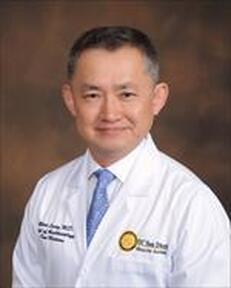
Albert Leung, MD
- Professor of Anesthesiology and Pain Medicine
- University of California San Diego
- San Diego, CA
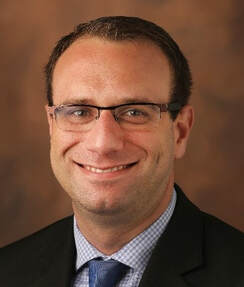
Dario J. Englot, MD, PhD
- Director of Functional Neurosurgery
- Vanderbilt University Medical Center
- Nashville, TN

Julie Pilitsis, MD, PhD
- Chair, Department of Neurosurgery
- The University of Arizona
- Tucson, AZ
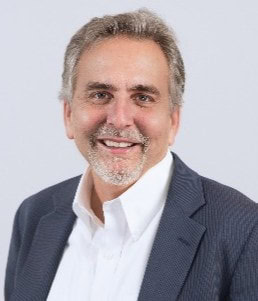
Peter Staats, MD, MBA
- Chair
- National Spine and Pain Centers
- Atlantic Beach, FL
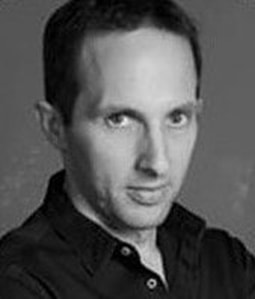
Pierre D’Haese, PhD
- Founder and CEO
- Neurotargeting, LLC
- Nashville, TN
Clinical Advisors
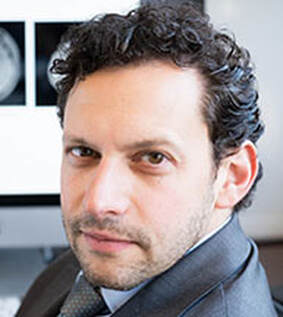
Brian Kopell, MD
- Professor of Neurosurgery, Neurology, Psychiatry and Neuroscience
- Mount Sinai Health System
- New York, NY
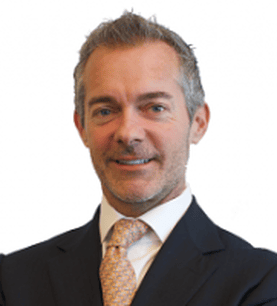
Gregory Fiore, MD
- Founder
- Fiore Healthcare Advisors, Inc.
- Boston, MA
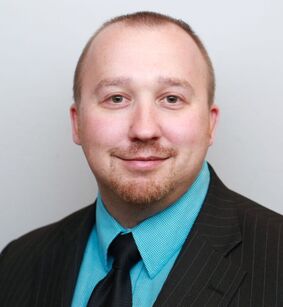
Steven Falowski, MD
- Director of Functional Neurosurgery
- St. Luke’s University Health Network
- Bethlehem, PA

Vibhor Krishna, MBBS
- Assistant Professor, Dept. of Neurological Surgery
- Ohio State University Wexner Medical Center
- Columbus, OH
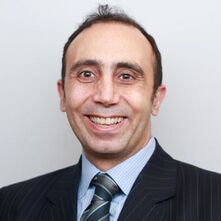
Salim Hayek, MD, PhD
- Chief of the Division of Pain Medicine
- University Hospitals, Cleveland Medical Center
- Cleveland, OH
Non-Clinical Advisors
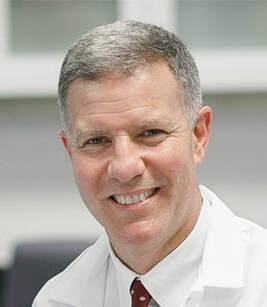
Joseph Pancrazio, PhD
- Professor
- Vice President for Research
- University of Texas at Dallas
- Dallas, TX
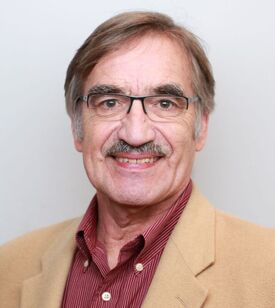
Robert Foreman, PhD
- George Lynn Cross Professor Emeritus
- University of Oklahoma Health Sciences Center
- Oklahoma City, OK